What Is a Pneumatic Actuator?
A pneumatic actuator is a mechanical device that converts compressed air into motion. These devices are widely used in industrial automation because they provide fast, reliable, and repeatable movement for machinery and production systems.
If you are wondering what a pneumatic actuator is, the simplest explanation is that it is an air-powered motion device. Compressed air enters the actuator and creates either linear or rotary motion, depending on the actuator design.
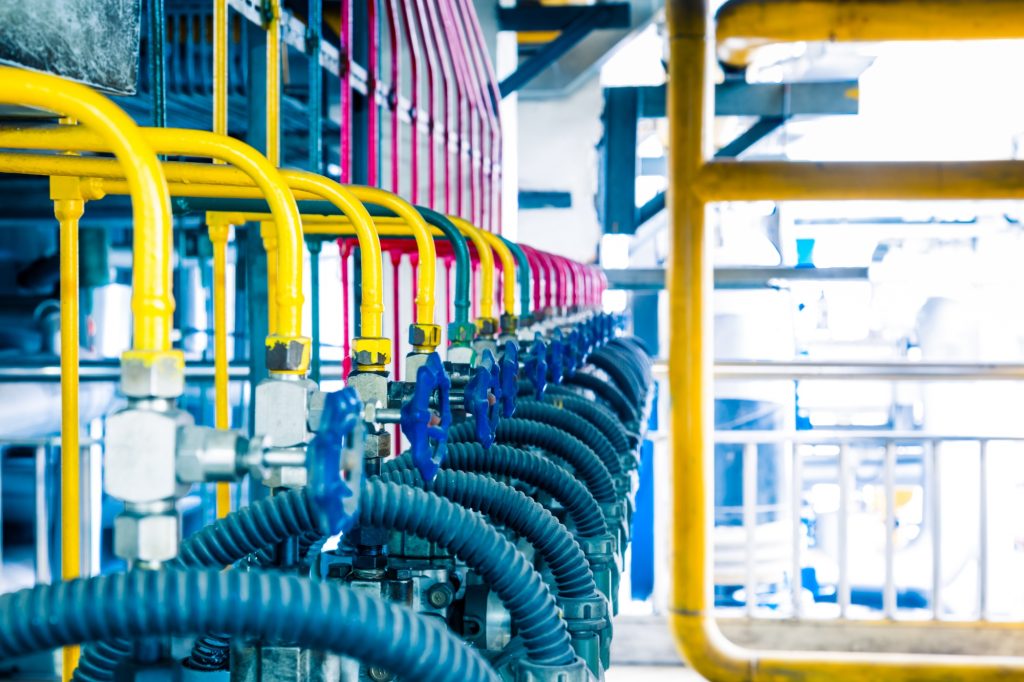
A typical pneumatic actuator system includes several core elements:
- compressed air supply
- valves
- tubing and fittings
- actuator body
- control system
Modern industrial facilities rely heavily on pneumatic actuators in automation because they are relatively simple, durable, and cost-effective compared to many other motion technologies.
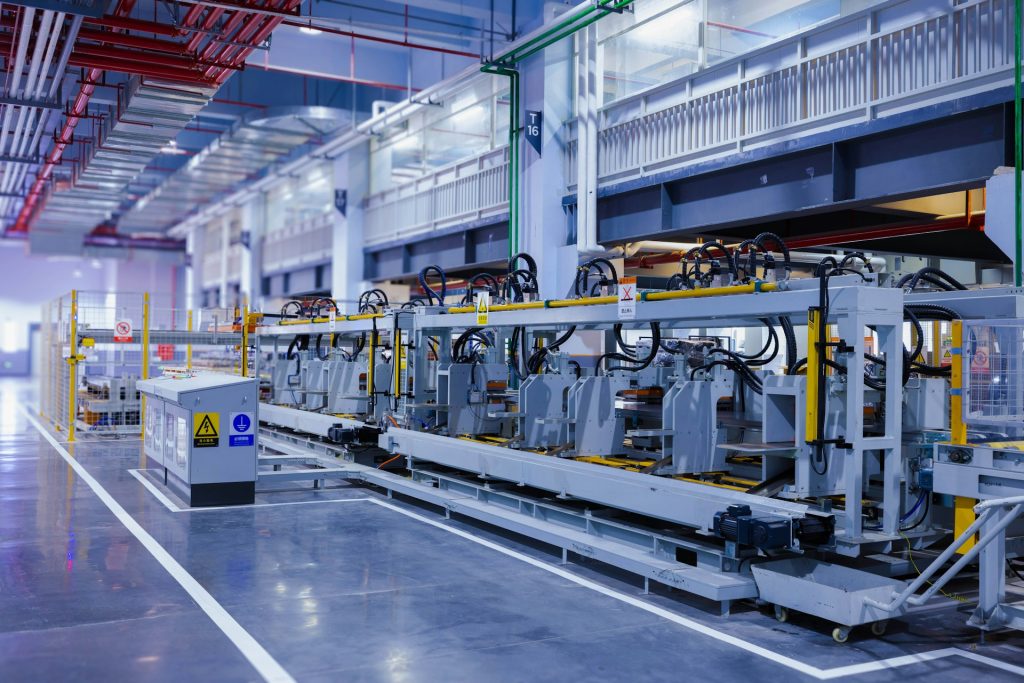
Pneumatic actuators are commonly used in manufacturing, packaging, automotive assembly, material handling, and robotic systems. They are also a key part of many pneumatic automation systems where speed and repeatability are critical.
How Pneumatic Actuators Work
Understanding the pneumatic actuator working principle is essential when selecting the right solution for an application.
Pneumatic actuators operate by using compressed air pressure to move an internal piston, vane, or diaphragm. The generated force creates either straight-line movement or rotational movement.
In a standard pneumatic cylinder actuator, compressed air enters one side of the cylinder and pushes the piston forward. When air pressure is released or redirected, the piston returns to its original position.
This process explains how pneumatic actuators work in most industrial systems:
- Compressed air is generated by an air compressor
- Valves control airflow direction and pressure
- The actuator converts air energy into motion
- The motion performs a mechanical task
Because air compresses quickly and moves rapidly through pneumatic systems, these actuators can operate at very high cycle speeds.
Many modern pneumatic motion control systems also include sensors and smart controllers to improve positioning accuracy and monitoring capabilities.
Main Pneumatic Actuator Components
Although designs vary, most pneumatic actuator components are relatively similar across industrial applications.
The most common components include:
- cylinder or actuator housing
- piston or rotary vane
- seals
- compressed air ports
- shafts or rods
- valves and regulators
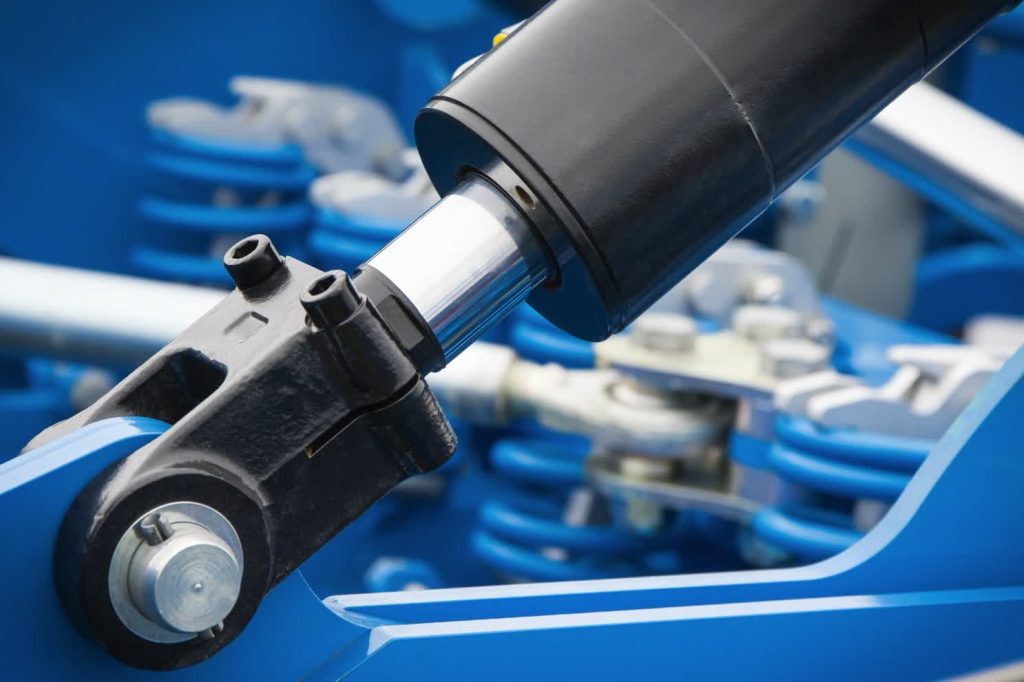
The actuator housing contains the internal moving components and withstands pressure during operation. The piston converts compressed air into force, while seals prevent air leakage and maintain efficiency.
Valves are equally important because they regulate airflow and determine actuator direction and speed. Proper pressure regulation also helps reduce wear and improve reliability.
In advanced industrial pneumatic actuators, manufacturers may include:
- integrated sensors
- electronic position feedback
- smart diagnostics
- energy-saving airflow management
Proper component selection directly impacts actuator lifespan and system performance. This becomes especially important in applications with high operating speeds or harsh environmental conditions.
Types of Pneumatic Actuators
Pneumatic Linear Actuators
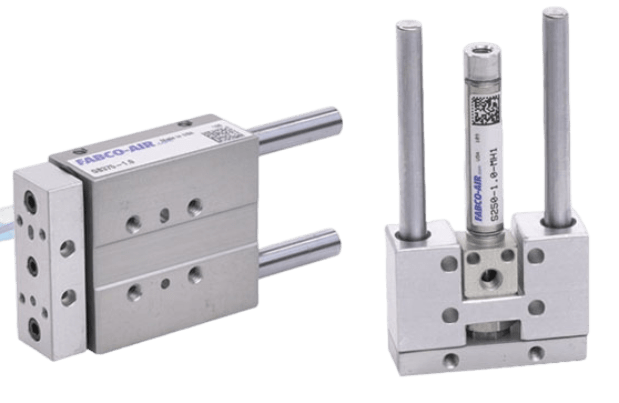
A pneumatic linear actuator creates straight-line motion and is one of the most widely used actuator types in industrial automation.
These actuators typically use a piston moving inside a cylinder to generate pushing or pulling force. Linear actuators are commonly found in:
- assembly systems
- packaging machinery
- conveyors
- clamping applications
- material handling equipment
Linear designs are valued for their simplicity, speed, and reliability. In many cases, they are used for repetitive motion tasks where electric systems may be unnecessarily complex.
A pneumatic cylinder actuator is one of the most common forms of linear air actuator technology used in manufacturing environments today.
Modern linear actuators can also include guided rods, compact designs, or rodless configurations for specialized applications.
Rotary Pneumatic Actuators
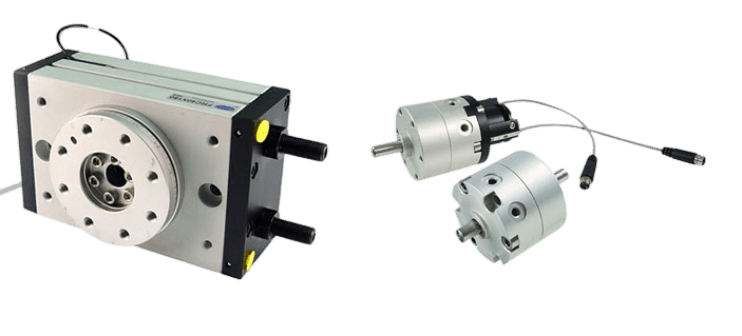
A rotary pneumatic actuator generates rotational motion instead of linear movement. These actuators are designed for applications where turning, indexing, or rotating parts is required.
Rotary actuators are widely used in:
- robotic systems
- valve automation
- pick-and-place equipment
- automated assembly lines
- material positioning systems
Most rotary designs use rack-and-pinion mechanisms or vane-based systems to convert air pressure into rotation.
Compared to linear systems, rotary pneumatic actuators are often more compact for rotational tasks and can provide rapid movement with minimal maintenance.
In advanced industrial automation actuators, rotary systems are frequently integrated with robotic and vision-based automation technologies.
Single-Acting vs Double-Acting Pneumatic Actuators
Another important distinction between pneumatic actuator types is whether the actuator is single-acting or double-acting.
Single-acting actuators use compressed air in one direction and rely on an internal spring for the return stroke. These systems are simple and energy-efficient but provide less control over movement.
Double-acting actuators use compressed air for both extension and retraction. They offer:
- greater force
- better speed control
- smoother operation
- improved positioning
Because of these advantages, double-acting systems are more common in industrial automation applications.
The choice depends on application requirements, force needs, cycle speed, and operating conditions.
Pneumatic Actuator Applications
Pneumatic actuator applications exist across nearly every industrial sector because these systems are versatile, reliable, and relatively easy to integrate.
Manufacturing and Assembly
One of the largest uses of pneumatic actuators in automation is in manufacturing and assembly operations.
Actuators control:
- clamps
- presses
- sorting systems
- automated assembly tools
- robotic movement
Their fast response times make them ideal for high-cycle production environments.
Packaging and Material Handling
Packaging equipment relies heavily on air actuator systems because they can operate quickly and repeatedly with minimal downtime.
Applications include:
- product sorting
- labeling systems
- conveyor control
- box handling
- palletizing equipment
Many pneumatic automation systems in logistics environments are designed around compact pneumatic cylinders and rotary actuators.
Automotive Industry
Automotive manufacturing extensively uses industrial pneumatic actuators for welding, assembly, gripping, and positioning systems.
Pneumatic systems are especially useful in robotic production lines where speed and repeatability are essential.
Food and Pharmaceutical Processing
Clean and reliable motion control is critical in food and pharmaceutical production environments.
Pneumatic systems are often preferred because they:
- reduce contamination risks
- operate reliably in washdown environments
- require relatively simple maintenance
Specialized actuator materials and seals can also support hygienic production requirements.
Pneumatic Actuator vs Electric Actuator
The discussion around pneumatic actuator vs electric actuator systems is common in modern automation design.
| Feature | Pneumatic Actuator | Electric Actuator |
|---|---|---|
| Power Source | Compressed air | Electricity |
| Motion Type | Linear or rotary | Linear or rotary |
| Speed | Very fast operation | Moderate to high speed |
| Precision | Moderate positioning accuracy | High positioning accuracy |
| Force Output | Strong force for repetitive tasks | Precise controlled force |
| Maintenance | Simple maintenance | More complex electronics |
| Environment Suitability | Excellent for harsh or wet environments | Better for clean environments |
| Initial Cost | Lower upfront cost | Higher upfront cost |
| Energy Efficiency | Lower efficiency due to compressed air losses | Generally more energy efficient |
| Best Applications | High-speed industrial automation | Precision positioning and control |
| Common Industries | Manufacturing, packaging, automotive | Robotics, CNC, precision automation |
Benefits of Pneumatic Actuators in Automation
Pneumatic actuators continue to play a major role in industrial automation because they offer a practical balance of speed, durability, and cost efficiency.
Key advantages include:
- fast operation
- simple maintenance
- high reliability
- compact design options
- strong performance in demanding environments
Modern industrial automation actuators are also becoming more intelligent through sensor integration and smart monitoring systems.
As automation technology evolves, pneumatic actuators remain a foundational part of modern manufacturing infrastructure.
Final Thoughts
Pneumatic actuators are among the most widely used motion technologies in industrial automation. Understanding what a pneumatic actuator is, how pneumatic actuators work, and which actuator type fits a specific application can significantly improve system efficiency and reliability.
From pneumatic linear actuator systems to rotary pneumatic actuator solutions, these devices support a wide range of industrial processes across manufacturing, packaging, automotive, and robotics industries.
As pneumatic automation systems continue evolving with smart controls, sensors, and energy-efficient designs, pneumatic actuators will remain essential components of modern industrial automation.