Quick answer: To optimize a compressed air system, measure how it actually runs, then work through the biggest losses in order: fix leaks, lower pressure to the minimum each application needs, reduce pressure drop in filters and piping, match compressor capacity to demand, and keep treatment equipment maintained. Leaks and excess pressure are typically the quickest wins.
What Does It Mean to Optimize a Compressed Air System?
Compressed air system optimization means lowering the energy used to deliver the air your equipment actually needs, without compromising reliability or air quality. It matters because compressed air is an inefficient way to carry energy: according to Natural Resources Canada, it generally takes 7–8 hp of electrical energy to produce 1 hp of effect at the point of use.
A system has five main parts: the air compressor, the air receiver (a storage tank that smooths out demand fluctuations), air dryers, filters, and distribution piping. Compressed air system efficiency depends on all five, not just the compressor.
| Loss point | Typical cause | What to do |
|---|---|---|
| Leaks | Worn or loose joints, fittings, and hose connections | Detect with ultrasonic tools; repair promptly |
| Excess pressure | Setpoints above what the application needs | Lower to the minimum required |
| Pressure drop | Undersized piping, clogged filters | Resize pipes; replace filters |
| Mismatched capacity | Oversized compressor, or fixed speed at part load | Right-size; consider a variable speed drive |
| Poor air quality | Neglected dryers and filters | Maintain on a schedule |
| Wasted heat | Compressor heat vented unused | Add heat recovery |
How Do You Start with a Compressed Air System Audit?
A compressed air system audit measures energy consumption, pressure levels, and leakage rates, and compares what the system produces with what the plant actually uses. Start with air demand: compressors that are oversized, or run at higher pressure than necessary, consume energy for nothing.
NRCan suggests a three-part review: how and why the facility uses compressed air, the condition of the distribution hardware, and production and cleanup practices. Record baseline figures as you go — compressor energy use, system pressure, and estimated leakage rate — so later improvements can be measured against them. Repeat the audit periodically, because a one-off audit shows a snapshot. Continuous pneumatic system data monitoring turns that snapshot into a baseline you can track.
How Do You Find and Fix Compressed Air Leaks?
Use ultrasonic detectors or other compressed air leak detection equipment to locate leaks, tag them, and repair them promptly. Compressed air leaks are among the easiest losses to fix, and even small ones add up to substantial waste over time.
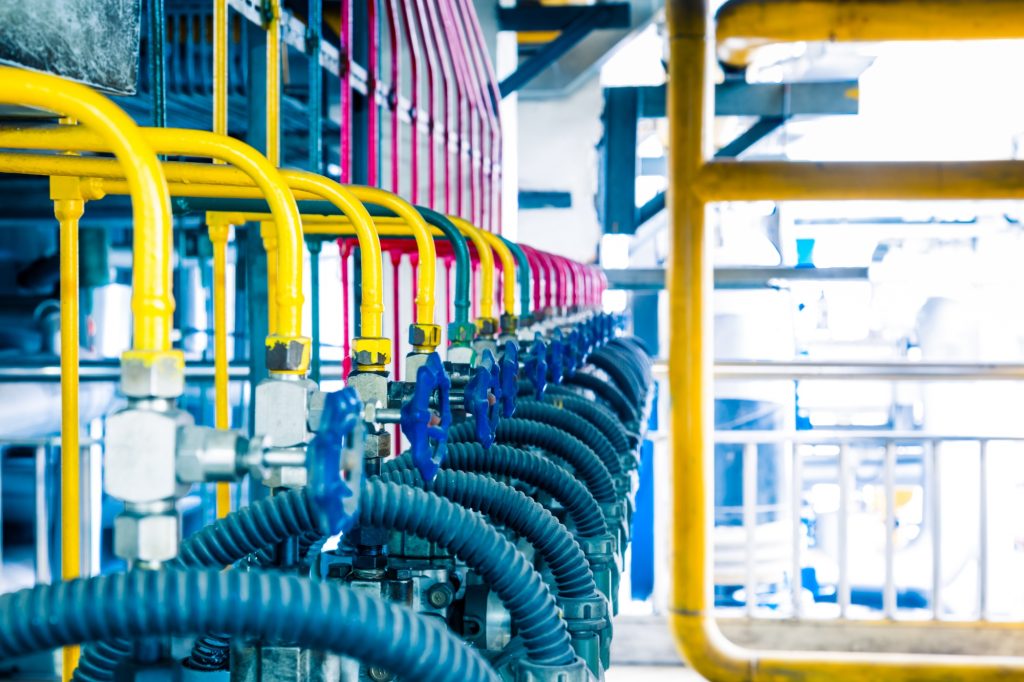
Check connections first: joints, valves, fittings, and hose connections are common leak points, so the condition of your fittings and tubing deserves attention. A compressor that runs longer than its usual baseline is often the first sign of a new leak.
What Causes Compressed Air System Pressure Drop?
Pressure drop is the loss of pressure between the compressor and the point of use. Compressed air system pressure drop typically comes from undersized or poorly routed piping, blockages or damage in the distribution network, and clogged filters that restrict airflow.
The common mistake is compensating by raising the compressor setpoint, which wastes energy on every machine in the plant. Fix the restriction instead: inspect piping for blockages and damage, confirm pipes are sized for the airflow and pressure they carry, and replace filters when they clog.
How Does Compressed Air Pressure Optimization Save Energy?
Run the system at the lowest pressure each application needs. NRCan reports that lowering operating pressure by as little as 2 psi reduces energy use by about 1%. Compressed air pressure optimization starts with monitoring system pressure, then setting compressors and regulators to the minimum required.
At the point of use, pneumatic pressure regulators let each machine run at its own required pressure, so one demanding tool doesn’t force the whole system to run high.
How Do Compressor Sizing and Controls Affect Efficiency?
An oversized compressor wastes energy, while an undersized one can’t meet demand. The goal is a margin, not a surplus: NRCan suggests sizing to peak load plus 20–30% for growth.
Variable speed drives (VSDs) adjust compressor speed to match actual air demand. They help most where demand swings through the day and matter less for a compressor that already runs near full load. For the fundamentals behind these choices, see our overview of how air compressors work.
How Do Filtration, Drying, and Maintenance Affect Efficiency?
Dryers remove moisture that can damage equipment, and filters remove dust and oil, but neglected treatment equipment costs energy: dirty filters restrict airflow, and wet air causes damage and inefficiency downstream. Our overview of compressed air filtration covers the options. For point-of-use treatment, Humphrey Automation’s air preparation systems range includes AirTAC and Koganei filters, regulators, and FRL (filter-regulator-lubricator) units.
Compressed air system maintenance ties this together:
- Schedule routine maintenance — leak checks, filter changes, and component inspections.
- Keep records — maintenance activity and system performance, so trends and recurring issues are visible.
- Train operators — people who understand the system report abnormalities early and shut down unused equipment.
Planned maintenance also supports reducing downtime across the wider pneumatic system.
Which Energy-Saving Technologies Are Worth Considering?
Heat recovery is the most overlooked. NRCan notes that about four-fifths of the energy a compressor consumes is converted into heat, which can be reused for process heat, space heating, or hot water. Energy management systems add real-time monitoring and control, showing consumption patterns and where savings remain.
Compressed air energy savings come from combining measures, not from any single fix. Heat recovery usually needs the most upfront planning, so it tends to follow the lower-cost leak, pressure, and sizing fixes rather than lead them. For the automation side of the same question, see energy savings in pneumatic automation. Compressed air energy efficiency is ultimately the sum of fewer leaks, lower pressure, better sizing, and recovered heat.
FAQ:
An audit: measure energy consumption, pressure levels, leakage rates, and actual air demand before changing anything.
According to Natural Resources Canada, as little as 2 psi lower operating pressure reduces energy use by about 1%.
With ultrasonic leak detectors or other leak detection equipment, backed by tracking whether compressor run time drifts above its baseline.
Not always. It helps most where demand varies and matters less if the compressor already runs near full load.
Undersized or poorly routed piping, blockages or damage in the distribution network, and clogged filters.
Getting More from Your Compressed Air System
Optimization is a sequence, not a single project: measure, fix leaks, lower pressure, remove restrictions, right-size, and maintain. Humphrey Automation supplies pneumatic and air preparation components to manufacturers across Canada, and for a system that needs a more tailored approach, our team also handles custom automation solutions.