Quick answer: The most effective way to increase pneumatic actuator lifespan is to control three things: clean, properly conditioned compressed air; correct lubrication and mounting alignment; and reduced mechanical shock at the end of each stroke. Paired with a consistent pneumatic actuator maintenance schedule, these steps typically add years of reliable service without changing the actuator itself.
What Determines Pneumatic Actuator Longevity?
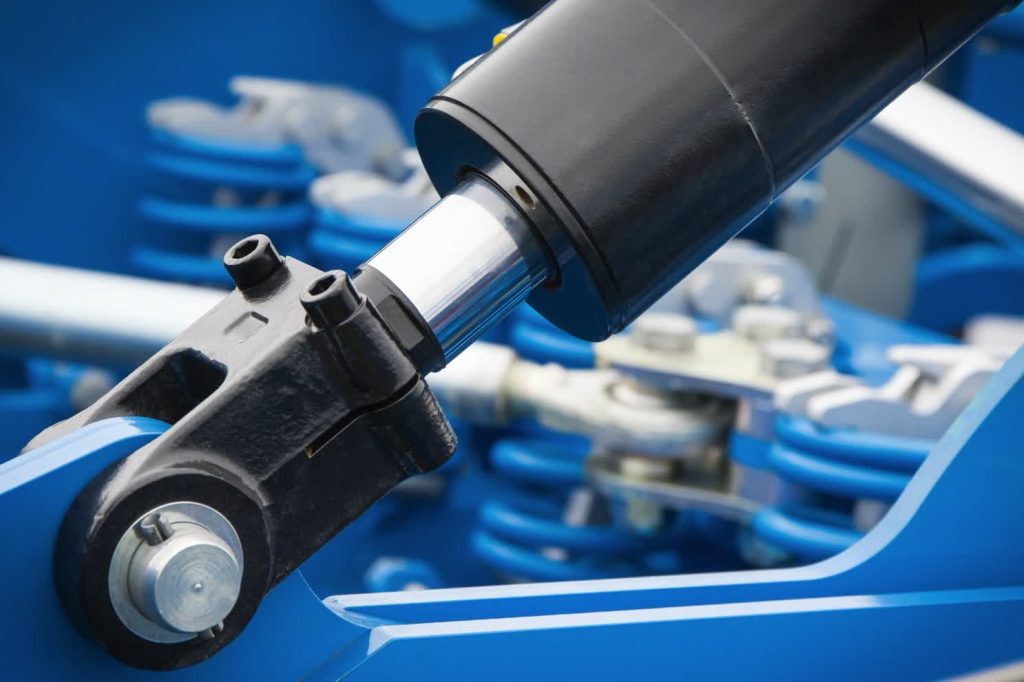
Pneumatic actuator longevity comes down to how much stress the internal seals, bore, and rod see over each cycle — not just how many cycles the actuator completes. A pneumatic actuator converts compressed air into linear or rotary motion using a piston or vane running inside a precisely machined bore, sealed by rubber or polymer components; Pneumation’s Actuators category covers both types. Every one of those seals wears a little with each stroke; the goal of good maintenance is to slow that wear rate rather than eliminate it entirely.
Six factors drive most of the difference between an actuator that lasts a few months and one that runs reliably for years:
- Compressed air quality (moisture, particulates, oil carryover)
- Lubrication, where the actuator design requires it
- Mounting alignment and side-loading
- Cycle rate relative to the actuator’s rated duty cycle
- End-of-stroke impact and cushioning
- Consistency of inspection and preventive maintenance
The next sections cover each factor and what to check.
How Does Compressed Air Quality Affect Pneumatic Actuator Lifespan?
Poor compressed air quality is one of the fastest ways to shorten pneumatic actuator lifespan, because contaminants attack the seals and bore directly with every cycle. Moisture causes internal corrosion and washes away lubrication; particulates score the cylinder bore and accelerate seal wear; and excess oil carryover from the compressor can gum up valves and swell certain seal materials.
Air treatment addresses this at the source. A filter, regulator, and lubricator (FRL) combination removes particulates and moisture and, where needed, adds a controlled mist of lubricant to reduce internal friction — an important part of overall pneumatic system lubrication strategy. Pneumation’s air preparation systems cover this stage of the circuit.
For facilities that need to specify compressed air quality formally, ISO 8573-1 defines internationally recognized purity classes for particulates, water, and oil content, which can be used to match air quality to the sensitivity of the equipment downstream.
What Should a Pneumatic Actuator Maintenance Schedule Include?
A workable pneumatic actuator maintenance schedule combines frequent visual checks with less frequent, more detailed inspections. The exact interval depends on duty cycle and environment, but the table below outlines a typical structure.
| Maintenance Task | Typical Frequency | Why It Matters |
|---|---|---|
| Visual check for air leaks and hissing | Weekly | Leaks reduce output force and increase cycling to compensate, adding wear |
| Inspect and drain filter/moisture separator | Monthly | Prevents water and debris from reaching the actuator |
| Check lubricator oil level (where used) | Monthly | Low lubrication increases seal and bore friction |
| Inspect rod seals and wiper seals | Quarterly | Worn seals let in contaminants that score the bore |
| Verify mounting brackets and alignment | Quarterly | Misalignment causes side-loading and uneven seal wear |
| Inspect cushioning or shock absorbers | Quarterly | Worn cushioning increases impact stress at end of stroke |
| Full internal inspection or rebuild | Annually, or per manufacturer guidance | Catches internal wear before it causes downtime |
Logging these checks — even informally — makes it much easier to spot a pattern before an actuator fails mid-shift rather than after.
How Can Shock Absorbers and Speed Control Reduce Pneumatic Actuator Wear and Tear?
Reducing impact at the end of stroke is one of the most overlooked ways to cut pneumatic actuator wear and tear. Every time a piston slams into its end cap at full speed, that energy has to go somewhere — usually into the seals, end caps, and mounting hardware. Over thousands of cycles, this adds up to cracked end caps, loosened fasteners, and accelerated seal fatigue.
Two components address this directly:
- Cushioning and shock absorbers dissipate impact energy at the end of the stroke instead of letting it transfer into the actuator body. Koganei supplies shock absorbers designed for this role within Pneumation’s fittings, tubing, and shock absorbers category.
- Speed controllers meter airflow to control extend and retract speed, preventing the actuator from cycling faster than the application actually needs. Pisco’s speed controller push valves, available through Pisco, are commonly used for this purpose.
Some rotary units already include this protection built in — Fabco rotary actuators, from Fabco Air, offer adjustable end-of-stroke cushioning as a standard feature, reducing the need for separate external shock absorbers in some designs.
Slowing a cycle by even a fraction of a second at the point of impact can meaningfully extend pneumatic actuator life without affecting overall throughput.
What Are Common Causes of Premature Pneumatic Cylinder Wear?
Most premature pneumatic cylinder maintenance issues trace back to a handful of root causes rather than random failure. Misalignment between the actuator and the load it drives creates side-loading on the rod and piston, wearing seals unevenly and scoring the bore over time. Running an actuator beyond its rated duty cycle — more cycles per minute, or higher loads, than it was sized for — accelerates every other wear mechanism at once.
Undersizing an actuator for its application has the same effect: it works harder on every stroke than a correctly sized unit would. Choosing the right actuator from the start, covered in our guide on how to choose the right pneumatic actuator, prevents a lot of this wear before it starts. Finally, contaminated air — the factor covered earlier — remains one of the single largest contributors to early seal and bore failure across almost every application.
How Do You Extend Pneumatic Actuator Life in Cold or Harsh Canadian Environments?
Canadian manufacturing, food processing, and outdoor-adjacent facilities add environmental stress on top of normal wear. Cold winter air holds less moisture but causes condensation to form as compressed air warms and cools through the system, which can freeze in exposed lines and valves during shutdown periods. Washdown areas in food processing plants introduce water and cleaning chemicals that standard seals aren’t built to handle indefinitely.
Refrigerated or desiccant air dryers help control moisture before it reaches the actuator, and selecting components rated for washdown or low-temperature service — rather than defaulting to a standard unit — pays off in reduced downtime over the actuator’s service life.
Frequently Asked Questions
Service life varies widely by application, duty cycle, and air quality, which is why maintenance practices matter more than a fixed number of cycles or years.
Compressed air quality is generally the most significant factor, since contaminated or wet air directly attacks seals and the cylinder bore with every cycle.
No. Some actuators use pre-lubricated, non-lube seals designed to run dry, while others require ongoing lubrication through an FRL unit — always follow the manufacturer’s specification.
Often, yes. Seal kits and rebuild services can restore many actuators to near-original performance, provided the bore and rod haven’t been damaged by contamination or side-loading.
A quarterly visual inspection is a reasonable starting point, checking for cracking, excessive compression, or a change in end-of-stroke sound or vibration.