Quick answer: There is no universal winner in the pneumatic actuator vs electric actuator comparison — the better choice depends on the job. Pneumatic actuators deliver fast, powerful motion at a lower unit cost, which suits high-speed, repetitive tasks and harsh environments. Electric actuators deliver precise, programmable positioning and easier integration with automation software, which suits applications where accuracy matters more than raw speed. Matching the actuator type to the application, rather than defaulting to one technology, is what determines long-term performance.
What Is the Difference Between Electric and Pneumatic Actuators?
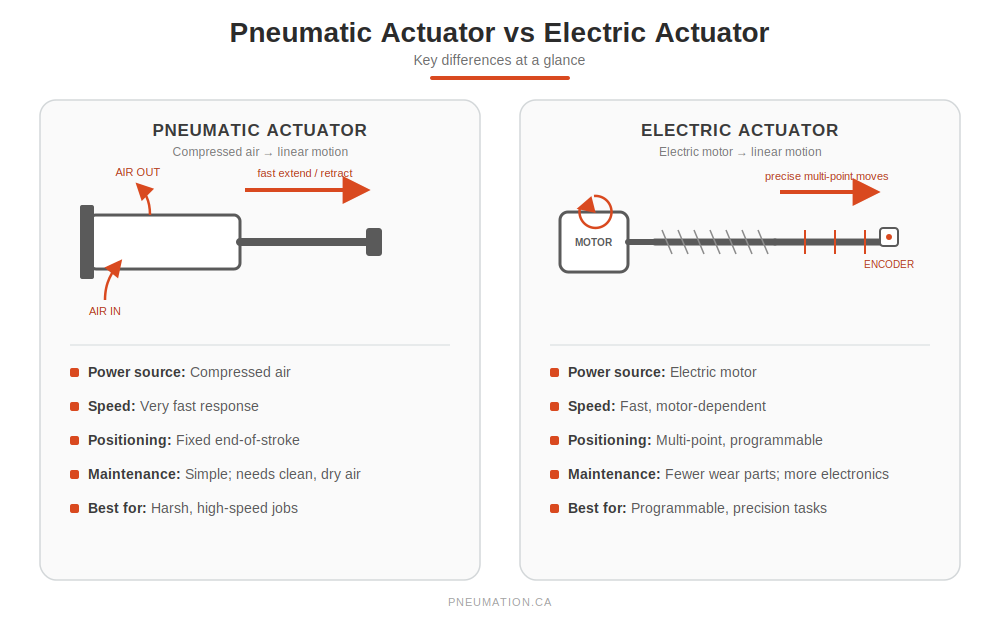
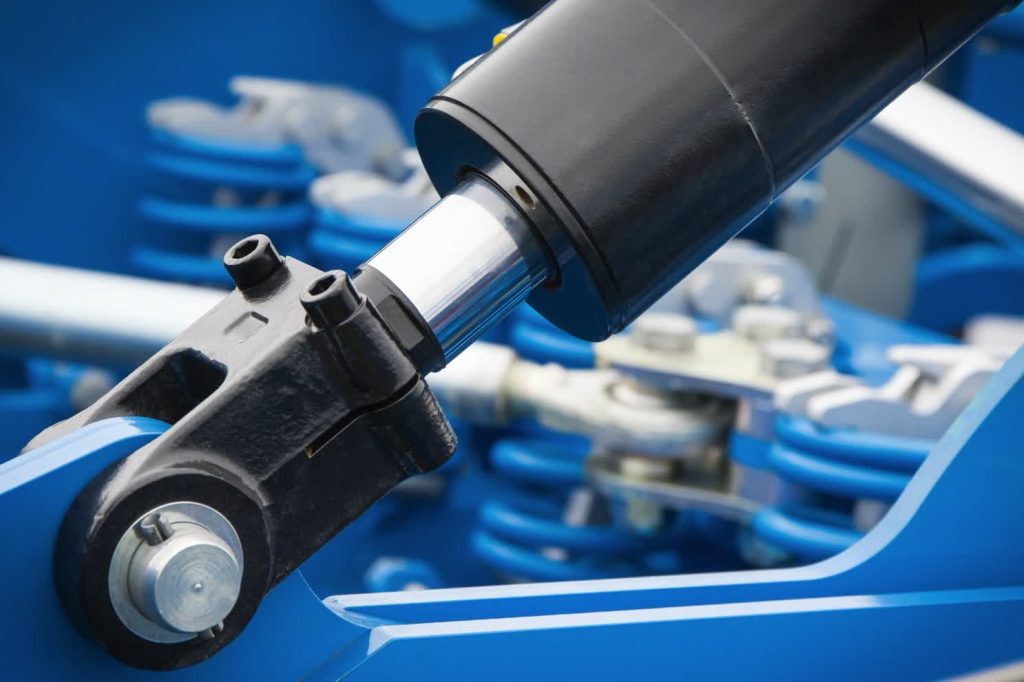
A pneumatic actuator converts the energy of compressed air into mechanical motion — extending a piston, rotating a vane, or driving a diaphragm. It needs a compressed air supply, along with valves to direct airflow and air preparation equipment to keep that air clean and dry.
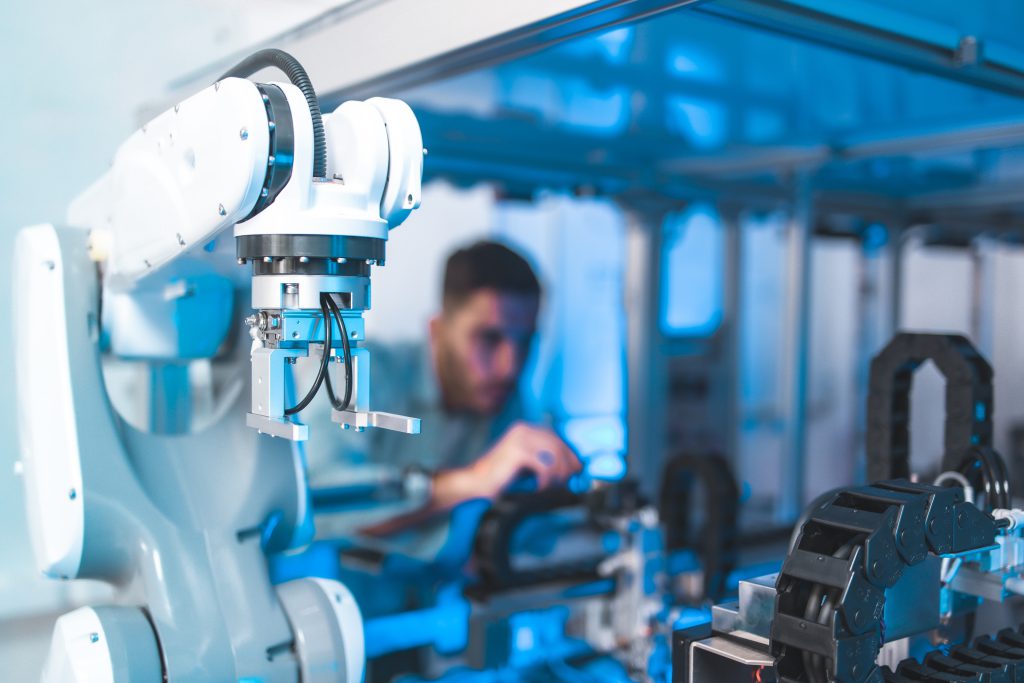
An electric actuator converts electrical energy into motion using a motor — typically a servo or stepper motor — paired with a mechanism such as a ball screw, belt, or gear train. It needs an electrical supply and, in most cases, a drive or controller to manage speed, torque, and position.
The practical difference between electric and pneumatic actuators comes down to how precisely that motion can be controlled. Compressed air is compressible, so pneumatic actuators are naturally suited to fast, forceful moves between two or three fixed positions. Electricity can be metered with fine control, so electric actuators are naturally suited to smooth, multi-point positioning across the full length of travel.
How Do Pneumatic and Electric Actuators Compare in Performance?
Pneumatic actuators generally win on speed and cost per unit of force. Electric actuators generally win on precision, repeatability, and energy use during idle time. This actuator performance comparison of pneumatic vs electric actuators highlights the trade-offs that matter most: actuator speed and force, environmental tolerance, and running cost.
| Factor | Pneumatic Actuator | Electric Actuator |
|---|---|---|
| Power source | Compressed air | Electric motor (servo or stepper) |
| Speed | Very fast response and cycle times | Fast, though usually slower at peak cycle speed |
| Force / torque | High force from a compact, low-cost unit | High torque with fine control over output |
| Positioning accuracy | Best suited to fixed end-of-stroke positions | Precise, programmable multi-point control |
| Environmental tolerance | Well suited to washdown, dusty, or explosive-risk areas | Improving, with more units sealed to higher ratings |
| Maintenance | Mechanically simple; depends on clean, dry air | Fewer wear parts; more complex electronics |
| Energy use | Draws energy continuously to hold pressure | Draws energy mainly during active motion |
| Upfront cost | Lower cost per actuator | Higher cost, especially with drives included |
| Infrastructure | Compressed air lines and air preparation systems | Electrical wiring and motor drives |
For plants weighing actuator speed and force side by side, pneumatics typically win on raw cycle speed, while electric actuators typically win on repeatable accuracy. Many electric actuators are now available in sealed housings rated to IP65 or higher under the IP (Ingress Protection) code, which narrows — though doesn’t fully close — the historical gap in washdown and dusty environments.
What Are the Advantages of Pneumatic Actuators?
Pneumatic actuators are the stronger choice when speed, simplicity, and resilience in tough conditions matter most.
- Fast cycle times — near-instant response suits high-speed packaging, clamping, and pick-and-place tasks.
- Lower unit cost — simpler construction keeps per-actuator pricing down across large installations.
- Rugged in harsh environments — no motor windings or sensitive electronics exposed to washdown, dust, or explosive atmospheres.
- Predictable fail-safe behavior — spring-return configurations give a defined response during a power or air loss.
- Simple troubleshooting — fewer electronic components to diagnose on the plant floor.
For quarter-turn valve automation and indexing tasks, Fabco rotary actuators are a common fit, while Fabco Air’s broader lineup covers straight-line clamping and part-transfer work within Pneumation’s Actuators product category.
What Are the Advantages of Electric Actuators?
Electric actuators are the stronger choice when precise, repeatable, programmable motion matters more than raw speed.
- Precise positioning — multi-point control across the full stroke, not just fixed end points.
- Built-in feedback — encoders report exact position, speed, and torque back to the control system.
- Better energy efficiency — little to no power draw while holding position.
- Quieter operation — no exhausting air, useful in noise-sensitive facilities.
- Easier data integration — motion data feeds directly into automation and monitoring platforms.
Within Pneumation’s Electrical Motion category, RTA supplies the servo motors and electric cylinders used across most electric actuator systems in industrial motion control.
What Are Common Pneumatic Actuator Applications?
Pneumatic actuators are the default choice wherever equipment cycles quickly and the environment is demanding. Typical pneumatic actuator applications include quarter-turn valve automation, high-speed clamping and part-transfer on packaging lines, and equipment operating in washdown, dusty, or temperature-swing conditions common to Canadian food processing, agriculture, and energy facilities. Because they hold force without drawing continuous electrical current, pneumatic actuators are also common on equipment that must fail to a safe position if power is lost. For a deeper look at how these actuators are built and where each type fits, see our guide on the types of pneumatic actuators and their applications.
What Are Common Electric Actuator Applications?
Electric actuators are the default choice wherever a process needs repeatable, programmable positioning rather than a simple on/off stroke. Typical electric actuator applications include multi-axis assembly and pick-and-place work, precision dispensing, test and inspection equipment, and machine building where motion profiles must be adjusted in software rather than by changing mechanical stops. They are also favoured in facilities focused on reducing compressed air demand, since electric systems only draw power while actually moving.
Pneumatic or Electric Actuator: How Do You Decide?
Choosing between a pneumatic or electric actuator comes down to four practical questions: How many distinct positions does the motion need — two fixed points, or many? How fast must the cycle run? How harsh is the operating environment? And does the facility already have a reliable compressed air supply, an electrical infrastructure suited to servo drives, or both? A high-speed, two-position task in a washdown area usually favours pneumatics. A multi-position task requiring feedback and fine control usually favours electric. Many production lines end up using both technologies side by side, matched to each station’s specific job. For a related comparison within the pneumatic family, see linear vs rotary pneumatic actuators, and for a step-by-step selection process, see how to choose the right pneumatic actuator.
Frequently Asked Questions
For simple, two-position moves, yes — pneumatic actuators typically respond and complete a stroke faster because compressed air delivers force almost instantly.
Pneumatic actuators are mechanically simpler but depend on clean, dry air to avoid wear. Electric actuators have fewer moving parts but more electronics to maintain.
No. Electric actuators run on an electrical supply only, which removes the need for compressed air lines, air preparation systems, and related leak maintenance.
Yes. It’s common to combine both — pneumatics for fast, simple strokes and electric actuators for stations that need precise, programmable positioning.
Electric actuators generally offer better positioning accuracy, since motor-driven systems can be commanded to precise, repeatable points along the full stroke.